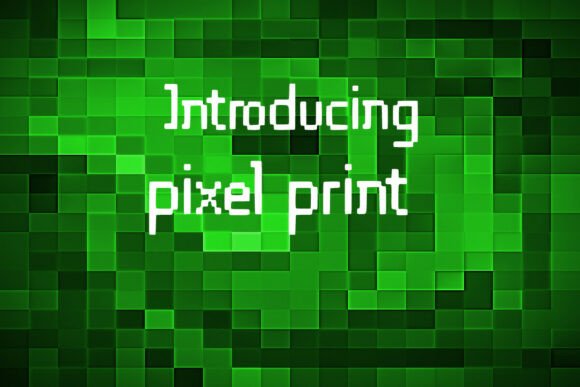
Pixel Print: A Versatile Display Font for Creative Branding
I remember staring at a blank brand board, the cursor blinking on an empty canvas, trying to find the right visual voice for a local artisan coffee roaster. The client wanted something that felt modern but grounded, capable of standing out on a crowded shelf yet remaining legible on a digital storefront. That was when I decided to test Pixel Print, a versatile and stylish font that breathes life into any project. After spending the morning experimenting with logo drafts, packaging mockups, and social media layouts, I realized this typeface had the unique ability to transform a standard identity into something memorable without sacrificing readability.
Why Pixel Print Stands Out as a Premium Display Font for Logo Design
When evaluating Pixel Print as a primary Display font for logo design, its character immediately sets it apart from generic sans-serifs or overly decorative scripts. In my recent branding exercise for a boutique skincare line, I used the main weight of Pixel Print to anchor the logo concept. Unlike many Fonts that struggle to maintain structure at small scales, this typeface held its shape beautifully on a business card mockup while still commanding attention on a large storefront sign. The geometric precision combined with subtle stylistic nuances gives it a premium feel that elevates any brand identity instantly.
The visual personality of Pixel Print is distinct enough to create immediate recognition but neutral enough to adapt to various industries. Whether you are designing for a creative studio or a handmade shop, the font's clean lines ensure that the brand message remains clear. It avoids the trap of being too "loud" while still providing the visual hierarchy needed for effective commercial design assets. For designers seeking a creative font that balances professionalism with artistic flair, Pixel Print offers a robust foundation for building a cohesive brand identity.
How Pixel Print Enhances Packaging Design and Product Labels
One of the most compelling aspects of Pixel Print is its performance in packaging design, particularly where space is limited and impact is crucial. During a test run for a craft bakery's product labels, I placed the font on both square stickers and rectangular boxes. The result was striking; the text remained crisp even when scaled down to fit on a small jar lid. This versatility makes Pixel Print ideal for crafting eye-catching t-shirt designs, alluring stickers, or commandi ng product packaging that needs to stand out in a retail environment.
The font's legibility ensures that essential information like ingredients, volume, or usage instructions can be read easily by consumers. When paired with a clean sans serif font for body copy, Pixel Print serves as a perfect headline accent that draws the eye without overwhelming the viewer. For entrepreneurs and online shop owners looking to elevate their physical products, using Pixel Print can significantly boost perceived value. Its structured form works exceptionally well on modern typography systems where clarity and style must coexist harmoniously.
Optimizing Pixel Print for Social Media Graphics and Web Headers
In the digital realm, where attention spans are short, Pixel Print proves to be an excellent tool for social media graphics and web design. I tested the font on a series of Instagram posts and a website hero section for a freelance photographer. On the screen, the sharp edges of the letters cut through the noise of typical social feeds, making headlines pop. The font's scalability means it looks just as good on a mobile device as it does on a desktop monitor, ensuring consistency across all design assets.
For content creators and bloggers, Pixel Print offers a way to inject personality into digital content without resorting to hard-to-read scripts. It functions effectively as a headline font, guiding the user's eye to key messages. However, it is important to note that while it excels as a display element, it should not be used for long-form body text. Its strength lies in short phrases, titles, and accents where visual impact is prioritized over extended reading.
Potential Limitations and Best Practices for Using Pixel Print
While Pixel Print is a powerful addition to any designer's toolkit, understanding its limitations is key to using it effectively. As a Display font, it is not suitable for formal corporate documents or lengthy editorial design pieces where readability is paramount. Attempting to use it for small print or dense paragraphs can lead to visual fatigue and reduced comprehension. Instead, reserve Pixel Print for moments where you need to make a statement—such as event posters, flyers, or promotional banners.
To get the most out of this typeface, consider pairing it with a complementary serif font or a simple handwritten font to balance its geometric nature. If your project requires a more organic feel, a script font might work well alongside the structured look of Pixel Print. Before committing to a final client project, always test the font in various contexts, including different background colors and sizes. This practical step ensures that the typeface performs as expected in real-world scenarios.
Commercial Licensing and File Formats for Professional Use
For freelancers and agencies planning to use Pixel Print in client work, it is essential to review the included styles and licensing terms. Most high-quality commercial fonts come with specific file formats and webfont availability options that dictate how they can be used in digital products or print-on-demand merchandise. Ensure you have the appropriate license for brand identity projects, templates, and merchandise before distributing the final design.
Pixel Print typically includes multiple weights and alternates that allow for dynamic variation within a single project. Checking for multilingual support is also advisable if your target audience is international. By taking the time to understand the technical specifications and legal requirements, you can confidently integrate this versatile and stylish font into your workflow. Ultimately, Pixel Print offers endless possibilities for those willing to explore its potential in crafting eye-catching designs that resonate with audiences.