Month: The Display Font for Clearer Campaigns
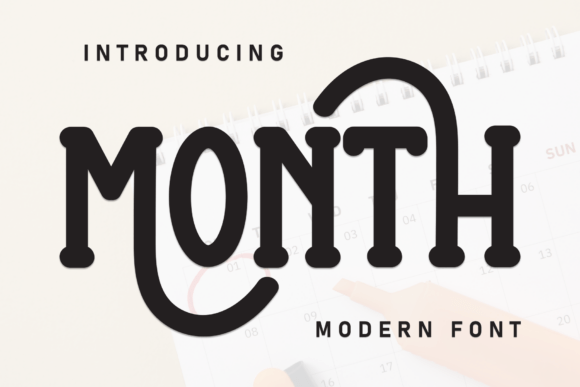
The deadline for the summer collection launch was looming, and my screen was filled with a chaotic mix of stock photos and inconsistent typography. I needed to create a cohesive set of social media graphics that felt warm yet professional, something that would stop the scroll without looking like every other generic ad. That is when I decided to test Month, a casual and neat display font designed to bring warmth and clarity to your projects. As I began layering headlines over product shots, the clean structure of the typeface immediately transformed the visual hierarchy, making the message stronger and easier to recognize in under a second.
How Month Enhances Visual Clarity in Social Media Graphics
Month serves as the perfect anchor when you are designing busy Instagram posts or Pinterest pins where text competes with vibrant imagery. Its approachable style ensures that promotional copy doesn't feel stiff or corporate, which is crucial for building trust with a younger audience. When I applied this font to a series of "Behind the Scenes" reels covers, the characters stood out clearly against both dark video backgrounds and light studio lighting. Unlike standard serif fonts that can blur on small mobile screens, these Fonts maintain their sharp edges, ensuring that your call-to-action remains legible even when users are scrolling quickly through their feed.
- Mobile Readability: The open counters in Month prevent letters from merging when scaled down for phone displays.
- Brand Consistency: Using a single, distinct voice across all channels strengthens brand recognition instantly.
- Visual Warmth: The rounded terminals add a friendly tone that reduces the perceived aggression of sales language.
Month for YouTube Thumbnails and Video Previews
In the high-stakes world of video content, your thumbnail is the first impression you make on a potential viewer. I recently used Month to design a set of thumbnails for a webinar promotion, and the results were immediate. The bold weight of the typeface created a striking contrast against the background image, drawing the eye directly to the headline. Because it is a Display font, it naturally commands attention without requiring excessive graphic elements or drop shadows. Whether you are announcing a new course or teasing a seasonal sale, the clear structure of Month ensures your title cuts through the noise of a crowded search result page.
Building a Cohesive Brand Identity with Month Headlines
For a small business owner launching an online shop, consistency is often the hardest part of marketing. You need a typeface that works equally well on a website banner, an email header, and a printed flyer. Month bridges this gap perfectly because its casual and neat aesthetic feels at home in both digital and print environments. When I paired it with a minimal sans-serif body text, the combination created a modern typography system that looked polished and intentional. The font's ability to carry the visual weight of a headline allows the supporting text to remain subtle, creating a balanced layout that guides the reader's eye naturally from the offer to the details.
- Logo Design: Use Month for short, punchy logo styles that need to look friendly and accessible.
- Editorial Design: Apply the font to article headers or blog post titles to add character without sacrificing readability.
- Packaging Design: The clean lines work beautifully on product labels, conveying quality and care.
Month for Email Banners and Promotional Content Sets
Email marketing requires a delicate balance between being informative and being visually engaging. Too much text kills open rates, but too little fails to convey the value proposition. I utilized Month to craft a promotional content set for a weekend flash sale, using the font exclusively for the main subject line and key discount numbers. The approachable style made the email feel like a personal invitation rather than a mass broadcast. When recipients opened the message on their devices, the text remained crisp and inviting, encouraging them to click through to the landing page. This level of clarity is essential for converting casual browsers into loyal customers.
Strategic Font Pairing and Technical Details for Designers
Selecting the right companion typeface is just as important as choosing the headline font itself. For campaigns requiring extensive body copy, pairing Month with a clean sans-serif font creates a modern, airy feel that keeps the design from becoming too heavy. Alternatively, combining it with a script font can add a touch of elegance for wedding invitations or luxury branding events. Before downloading any commercial font, it is vital to check the included styles, alternates, ligatures, and weights to ensure they cover all your project needs. Month offers a versatile range of options that support multilingual characters, making it safe for global campaigns targeting diverse audiences.
When integrating these Fonts into your workflow, consider the file formats available. Professional-grade assets usually include OpenType (.otf) and TrueType (.ttf) files, ensuring compatibility with major design software like Adobe Illustrator, Photoshop, and Canva. Understanding the licensing terms is also critical; a commercial font license grants you the right to use the typeface in client campaigns, digital products, and merchandise, giving you the freedom to scale your designs without legal worries. By investing in a premium font like Month, you are not just buying characters; you are acquiring a tool that elevates the entire perception of your brand.
Why Month Stands Out in Everyday Designs
Many designers struggle to find a typeface that balances professionalism with personality, but Month solves this dilemma effortlessly. Its clean structure provides the reliability needed for corporate communications, while its approachable style adds the human touch that modern consumers crave. Whether you are creating a simple quote graphic for LinkedIn or a complex layout for a magazine spread, this Display font adapts to the context without losing its identity. It proves that good typography is not about being the loudest element in the room, but about making the message clearer, stronger, and impossible to ignore.