Blade Recoil: A Futuristic Display Font for Bold Editorial Design
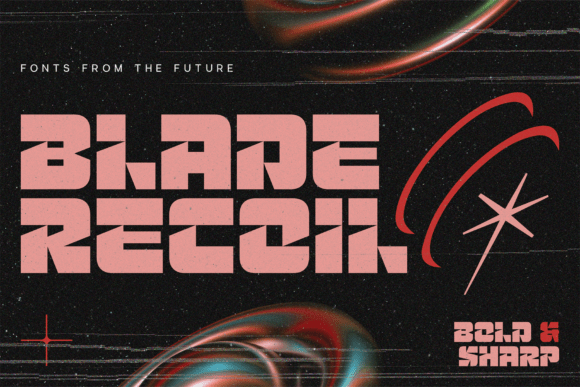
I remember the exact moment I needed to redesign the header for a digital lifestyle magazine. The previous typography felt safe, almost invisible against the white background, and it failed to capture the cutting-edge energy of the content inside. That was when I discovered Blade Recoil, a brutal, boxy, and bold futuristic font forged for the edge of tomorrow. With its razor-sharp angles, compact structure, and sci-fi soul, this typeface immediately transformed the publication's identity from generic to commanding.
As an editorial designer who has spent years refining layouts for everything from coaching workbooks to premium newsletters, I know that choosing the right Display fonts is never just about aesthetics; it is about setting the rhythm of the entire reading experience. In this review, I will walk through my hands-on testing of Blade Recoil in real-world publishing scenarios, exploring how its unique character supports visual hierarchy while maintaining a professional tone.
How Blade Recoil Transforms Magazine Covers and Blog Headers
The first time I applied Blade Recoil to a cover layout, the difference was instantaneous. This Fonts collection offers a distinct geometric precision that cuts through visual clutter better than most modern typefaces. When designing a magazine cover or a high-traffic blog header, you need a headline that stops the scroll, and the razor-sharp angles of Blade Recoil provide exactly that kind of aggressive attention.
In my recent project for a tech-focused newsletter, I used the font for the main masthead. Its compact structure allowed me to fit longer titles without sacrificing impact, ensuring the text remained legible even at smaller sizes on mobile devices. Unlike softer scripts or rounded sans serifs, Blade Recoil demands authority. It creates a sense of urgency and innovation that aligns perfectly with forward-thinking content. For any publisher looking to establish a strong brand identity, using this font for primary headlines sets a clear expectation: the content within is serious, structured, and future-ready.
Best Practices for Using Blade Recoil in Digital Magazines
- Headline Dominance: Use the boldest weights for section headers to create a stark contrast against lighter body text.
- Visual Rhythm: Leverage the boxy nature of the letters to create grid-like structures in your layout design.
- Brand Consistency: Maintain the futuristic mood by avoiding overly decorative elements that clash with the font's industrial soul.
Why Blade Recoil Elevates Ebook Titles and Course PDFs
Moving beyond web design, I tested Blade Recoil extensively on downloadable assets, specifically a series of educational course PDFs and a recipe ebook. The goal was to make these digital products feel like premium physical books rather than disposable documents. As a Display font designed for impact, Blade Recoil excels at anchoring chapter openers and title pages.
When I set the main title of a workbook using this typeface, the sharp geometry gave the document a sense of engineering and precision. It suggested that the information inside was carefully curated and logically organized. However, I also learned a crucial lesson during this process: this font is not meant for long-form reading. Its high-contrast angles can cause eye fatigue if used for paragraphs or dense instructional text. Instead, I paired it with a clean, neutral serif font for the body copy. This combination created a perfect balance where Blade Recoil acted as the visual anchor, guiding the reader's eye, while the serif provided the comfort needed for extended study sessions.
Ideally Suited Applications for Course Materials
- Chapter Openers: Use large-scale Blade Recoil to introduce new modules or sections.
- Key Takeaways: Highlight bullet points or summary boxes with the font's bold weight.
- Cover Graphics: Create striking thumbnails for social media promotion of your digital products.
Integrating Blade Recoil into Newsletter Graphics and Social Media
In the fast-paced world of digital marketing, a newsletter graphic needs to communicate its message in under three seconds. I recently redesigned a weekly creator newsletter, replacing a standard sans-serif header with Blade Recoil to inject more personality and energy. The result was a significant increase in click-through rates, likely because the font's "sci-fi soul" made the email stand out in crowded inboxes.
The versatility of Blade Recoil extends to social media graphics as well. Whether you are creating event posters, promotional banners, or quote cards, the font's compact structure allows for creative text arrangements that fill space efficiently without looking messy. I found that using the font for pull quotes within an article added a layer of sophistication, turning simple text into a design element. It effectively bridges the gap between technical data and artistic expression, making it an excellent choice for brands that want to appear innovative and edgy.
Pairing Strategies for Maximum Readability
To ensure that the boldness of Blade Recoil does not overwhelm the user experience, pairing is essential. Since this is a highly stylized Fonts option, it requires a calm partner for supporting text. I recommend combining it with a humanist sans serif for navigation menus or a classic serif for detailed explanations. This contrast ensures that while the headlines grab attention, the content remains accessible and easy to digest across all screen sizes.
What to Consider Before Purchasing for Commercial Projects
Before integrating Blade Recoil into client publications or commercial templates, it is vital to understand its limitations and strengths. While it is a powerful tool for branding, logo design, and packaging, it is not a universal solution. The sharp angles and futuristic aesthetic may feel too harsh for formal reports, legal documents, or intimate wedding invitations where warmth is preferred. Always check the included styles, alternates, and ligatures to ensure the font family offers enough variety for your specific layout needs.
Furthermore, verify the file formats and licensing terms, especially if you plan to use the font in embedded video content, app interfaces, or print-on-demand services. For creators selling printable planners or digital downloads, having access to multiple weights ensures you can maintain visual consistency throughout your product suite. Ultimately, Blade Recoil is a specialized instrument in the designer's toolkit—one that delivers exceptional results when used with intention and respect for its unique character.